Author: cri

Balsamic Vinegar in the diet
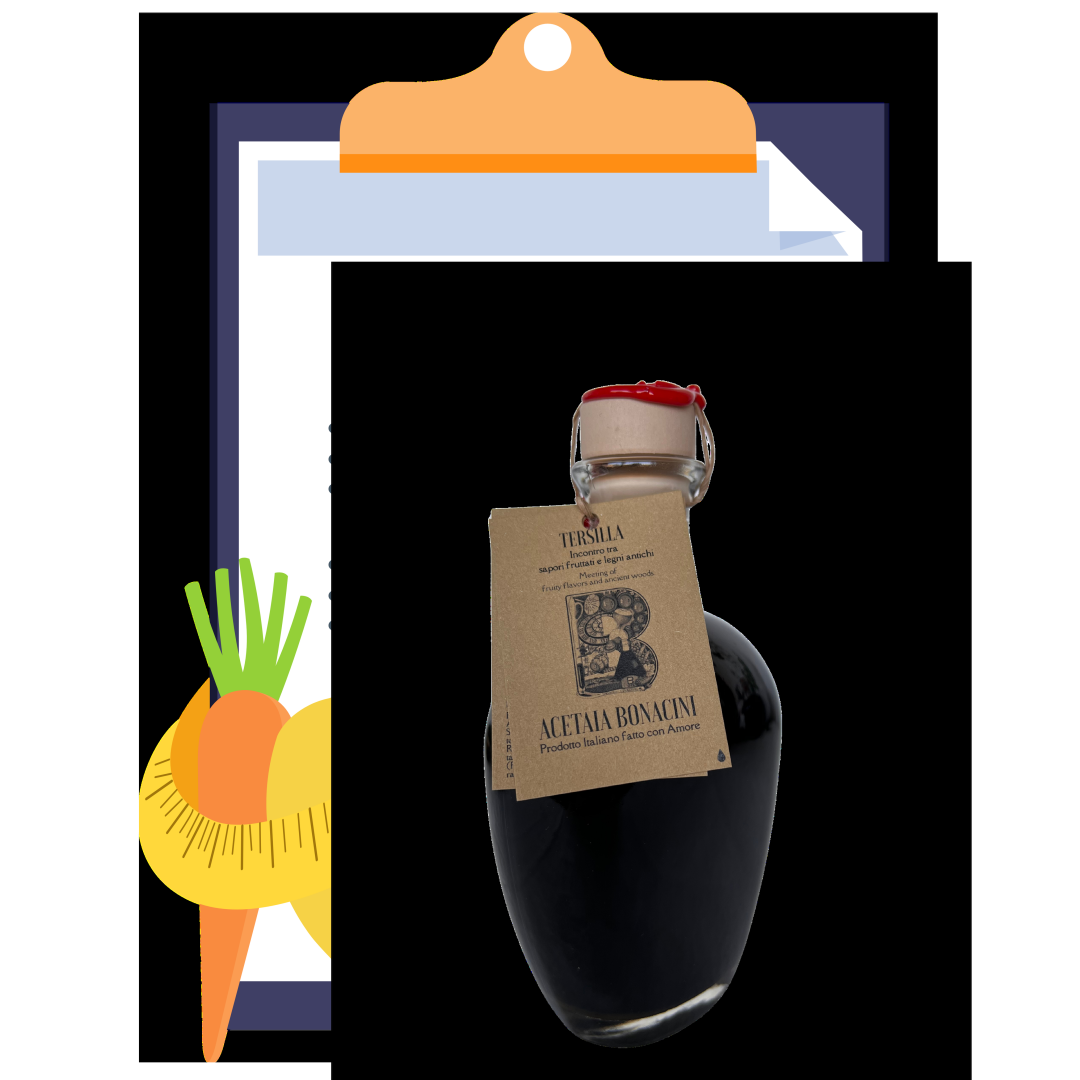
aceto balsamico utilizzo nella dieta

The Ideal Companion for a Tasty and Healthy Diet

Dear lover of good food,

I am writing to you today to talk about a gastronomic treasure that not only delights the palate but also fits perfectly into a healthy lifestyle: balsamic vinegar. For centuries, this Italian elixir has captured the hearts of culinary enthusiasts worldwide, and now is the time to discover how it can be a valuable ally in your diet.

**A Journey into Tradition**

Balsamic vinegar is much more than a simple condiment; it is a true culinary masterpiece. Originating from the Emilia-Romagna region in Italy, this prized vinegar is produced with Trebbiano and Lambrusco grapes, aged in barrels made of fine woods such as oak, chestnut, and cherry. The aging process imparts a unique flavor and a dense consistency to this vinegar.

**Flavor Without Guilt**

When it comes to maintaining a healthy diet, it is essential to reduce the use of calorie and fat-rich condiments. This is where balsamic vinegar comes into play, a condiment that can transform a dish into a gastronomic experience without adding many calories. Its rich and complex flavor can be used to enhance salads, grilled vegetables, lean meats, and even fresh fruit.

**Health Benefits**

Beyond its extraordinary taste and versatility in the kitchen, balsamic vinegar also offers some health benefits. It is rich in antioxidants, which can help combat free radicals in the body, contributing to overall health. Additionally, it is known to help regulate blood sugar levels, making it a smart choice for those following a glycemic-controlled diet.

**Conclusions**

In conclusion, balsamic vinegar is not just a condiment but an ideal companion for those seeking to maintain a tasty and healthy diet. Add a splash of this Italian elixir to your dishes and discover how it can elevate your meal to new heights of culinary pleasure.

Remember, the key to a balanced diet is finding the right balance between taste and health, and balsamic vinegar is here to assist you on this delightful journey.

Enjoy your meal!

Balsamic Vinegar for cleaning

aceto balsamico per pulire

The Cleaning Power of Balsamic Vinegar: Tips for a Sparkling Home

Hello cleaning enthusiasts and balsamic vinegar lovers! Today, we’ll explore the practical and versatile side of this precious Italian condiment: its use for household cleaning. Discover how balsamic vinegar can become an effective ally in keeping your home clean and sparkling. Follow our tips and get ready to see balsamic vinegar in a completely new light!

**1. Kitchen Surface Cleaning: “The Natural Antibacterial”**
Mix a solution of equal parts balsamic vinegar and water. This blend will not only clean the countertop, sink, and appliances, but thanks to the antibacterial properties of balsamic vinegar, it will also provide a deep and safe clean.

**2. Shine for Copper Kitchenware: “The Magic Mix of Copper and Balsamic”**
Combine balsamic vinegar and salt to create a paste. Gently rub it on your copper kitchenware to remove stains and reveal a natural shine.

**3. Natural Floor Cleaner: “Vinegar and Water, the Cleaning Duo”**
Add a cup of balsamic vinegar to a bucket of warm water to clean wooden or tiled floors. Its acidity will efficiently remove residues, ensuring a lasting brilliance.

**4. Natural Wood Furniture Cleaner: “Polishing with Flair”**
Mix balsamic vinegar with olive oil to create a wood furniture cleaner. Clean the surface and polish with a clean cloth for noteworthy results.

**5. Neutralize Odors at Home: “Fresh Air, Italian Style”**
Combine balsamic vinegar with water and spray it in the air to neutralize unpleasant odors. An elegant way to keep your home fresh and inviting.


Now that you’ve discovered how to use Balsamic Vinegar for cleaning, don’t limit its use to the kitchen alone. Experiment with these tips and transform this condiment into a cleaning ally that will bring new light to your home.

Let your home reflect the brilliance of Italian balsamic vinegar!

Does balsamic vinegar expire?

l'aceto balsamico ha scadenza?

Discussing the expiration of balsamic vinegar, it’s important to clarify a crucial point: balsamic vinegar is an extraordinarily long-lasting product.

Balsamic vinegar doesn’t have an expiration date in the traditional sense. It’s one of those rare foods that actually improve with time, developing complexity and depth in flavors. Its duration is practically unlimited if stored correctly.

The key to maintaining the quality of balsamic vinegar is proper storage in a cool, dark environment, preferably away from direct sunlight. Bottles should be well sealed to prevent oxidation and preserve its sensory characteristics.

It’s important to note that although balsamic vinegar doesn’t expire, its quality may change over time. With aging, balsamic vinegar can become thicker and more concentrated, with a more complex flavor.

In summary, balsamic vinegar doesn’t have a definitive expiration. It’s a culinary treasure that can be appreciated for years, if not decades, maintaining and even improving its quality. Investing in good balsamic vinegar means being able to enjoy an extraordinary condiment for a long time, enriching the culinary experiences of those who appreciate it.


Exploring the Sensory Marvels of Italian Balsamic Vinegar

proprietà dell'aceto balsamico

Discover the true essence of Italian culinary art through balsamic vinegar. It’s a sensory journey engaging three of our senses. From taste to scent and visual appeal, its organoleptic properties unveil a fascinating experience.

Taste Sensation:

Delve into the unique taste profile of balsamic vinegar, shaped by a multi-year aging process. Its bittersweet flavor, derived from grape must, and a balanced acidity create a harmonious taste spectrum, ranging from gentle sweetness to vibrant acidity.

Aromatic Allure:

Experience the captivating aroma of balsamic vinegar, ranging from fruity grape must to the subtly caramelized fragrance obtained through aging in esteemed wooden barrels. This delightful fragrance elevates balsamic vinegar beyond a condiment to an olfactory experience.

Visual Pleasures:

Observe the visual spectrum of balsamic vinegar, with colors and textures evolving with aging. Younger varieties display clarity, while older ones develop density and darker, syrupy consistencies. Enjoy the visual spectacle, especially when drizzled over dishes like salads, cheeses, or strawberries.

Traditional Craftsmanship:

Explore the enriched organoleptic properties of balsamic vinegar, meticulously crafted in Modena and Reggio Emilia. Carefully selected grapes undergo a lengthy aging process in esteemed wood barrels, like oak, cherry, ash, juniper, and chestnut, enhancing the vinegar’s unique characteristics.

Health Benefits:

Beyond a condiment, balsamic vinegar serves as a health ally, boasting antioxidants that support digestion and heart health.

Experience the depth of balsamic vinegar, transcending its condiment status to become a culinary masterpiece, captivating the senses with an unforgettable gustatory, olfactory, and visual journey. Dive into the world of Italian balsamic vinegar, an artistry in itself.


Difference between Balsamic Vinegar and Wine Vinegar

aceto balsamico o aceto di vino

In the realm of vinegars, two titans stand out: balsamic vinegar and wine vinegar. These two elixirs share similarities yet possess distinct characteristics that set them apart in the culinary world. Let’s explore their differences to understand their unique profiles and how they grace our dishes in distinct ways.

  • Origin and Production:

Balsamic vinegar hails primarily from Modena and Reggio Emilia in Italy. Crafted from grape must, it undergoes a prolonged aging process in wooden barrels, acquiring its signature richness and complexity. On the other hand, wine vinegar, as the name suggests, is derived from fermented wine, offering a more straightforward production method without the lengthy aging process.

  • Taste and Flavor Profile:

The most distinctive aspect of balsamic vinegar is its intricate taste, a balance of sweetness and acidity. Its long aging process grants it a syrupy consistency, and its flavor profile spans from sweet, almost fruity notes to a nuanced depth. In contrast, wine vinegar tends to offer a sharper, tangier taste, with a more direct acidity due to its shorter fermentation and aging period.

  • Aging Process:

Balsamic vinegar matures over many years, often decades, allowing it to develop an intricate array of flavors and a thicker consistency. Conversely, wine vinegar usually undergoes a shorter aging process, resulting in a lighter taste and a more straightforward, liquid texture.

  • Culinary Uses:

Balsamic vinegar, with its rich, complex profile, is a versatile addition to dishes, enhancing flavors in both sweet and savory culinary creations. It’s a star drizzled over salads, cheeses, fruits, and even desserts. Wine vinegar, with its more direct acidity, is commonly used in dressings, marinades, and pickling, lending a sharper tang to dishes.


Balsamic vinegar and wine vinegar both offer distinctive flavors and play unique roles in the culinary landscape. While balsamic vinegar steals the spotlight with its complex, aged richness, wine vinegar provides a sharper, more immediate acidity.

Understanding their differences allows us to harness the unique strengths of each in our culinary endeavors, creating dishes that are both vibrant and diverse.